October 10, 2026
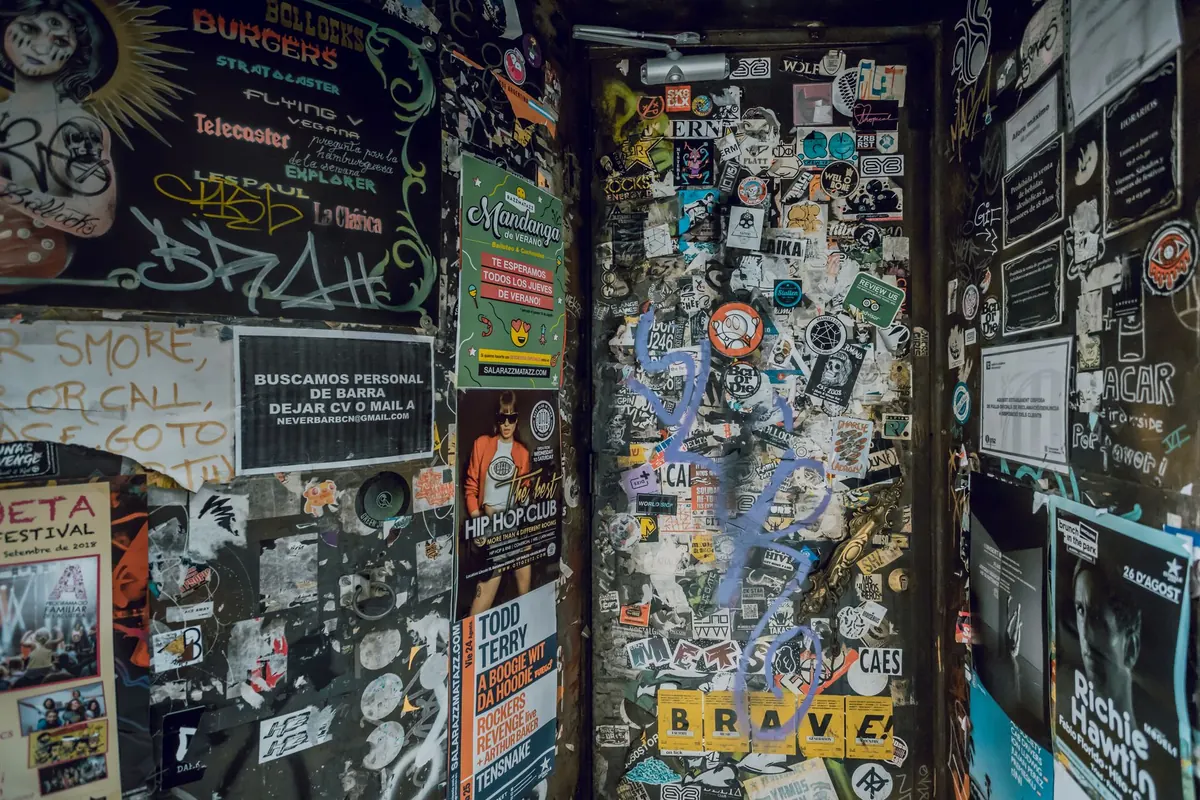
The bakery on the corner keeps a corkboard by the door, and for three weeks it has held a curling paper flyer for a Saturday repair café. Two streets away, someone has been posting the same event in a neighbourhood group online. Both notices are working. Neither is reaching the same people, and that is the whole argument in miniature.
Most community organisers end up choosing one format and feeling vaguely guilty about the other. The choice is less about which is better and more about who you are trying to gather, how much time you have, and what happens when a detail changes two days before the event.
What Each Format Is Actually Good At
A flyer has one advantage nothing digital can copy: it exists somewhere. It sits in the place where feet already go — the launderette, the library noticeboard, the hallway of a block of flats, the counter of the hardware shop. It gets read by people who were not looking for your event and would never have searched for it. A handwritten map, a phone number in marker, a slightly crooked photocopy all signal that a person made this, which counts for something.
An online listing wins on different ground. It is searchable, editable and shareable. Someone can check the start time three times without feeling foolish. If the venue changes, you fix it in ten seconds and no one turns up at the wrong door. It also reaches people who moved in last month, who have no idea where the noticeboards are, and who look for what's on the way they always have.
Reach: Who Sees It, and Who Never Will
Paper reaches by geography and routine. Its ceiling is the number of people who walk past that spot while the flyer survives — and flyers are fragile. Rain gets them, shopkeepers tidy them away, the stack left on a café table ends up in the bin by Tuesday. Placement matters far more than quantity. A hundred flyers pinned in the right six places will outperform five hundred shoved under doors, and they will annoy fewer people.
Online reach works through networks rather than streets. A post travels to the people in the group and then, if it is good, to their friends and to the wider town. It catches the planners, the ones who decide on Thursday what they are doing on Saturday. Its blind spot is everyone outside that network: the neighbour who isn't in the group, the parent who doesn't use that platform, the person who checks a noticeboard but never a feed. A post from Tuesday is also buried by Friday unless someone bumps it back up.
A useful question before you do anything: who already comes to your events, and who do you wish would? Go and stand where those second people actually are. If it's the school gate at half past three, that tells you something a mailing list never will.
Effort, Cost, and the Work Nobody Counts
Flyers look cheap and are not quite. There is design time, the per-sheet cost at the print shop (colour and double-sided both push it up, and the bill grows quickly once you order in bulk), and then the distribution, which is a real walk with a stapler and a series of polite requests. Always ask before pinning something up. Some shops have a strict policy, and a flyer taped where it isn't wanted gets removed and remembered.
Paper also ages badly. Print in small batches, leave a space to write, and resist ordering three hundred for a gathering of twenty-five.
Online listings carry no printing bill but they are not free either. Writing the listing, then rewriting it to fit four different groups, then answering "is there parking?" a dozen times, then keeping the comment thread civil — that is an evening gone. Add the cost of a mistake: a listing that still shows last month's venue is worse than no listing, because people trust it.
Before you decide, do a rough tally. Hours spent against people reached. Most organisers are surprised by which number is larger.
Accessibility Cuts Both Ways
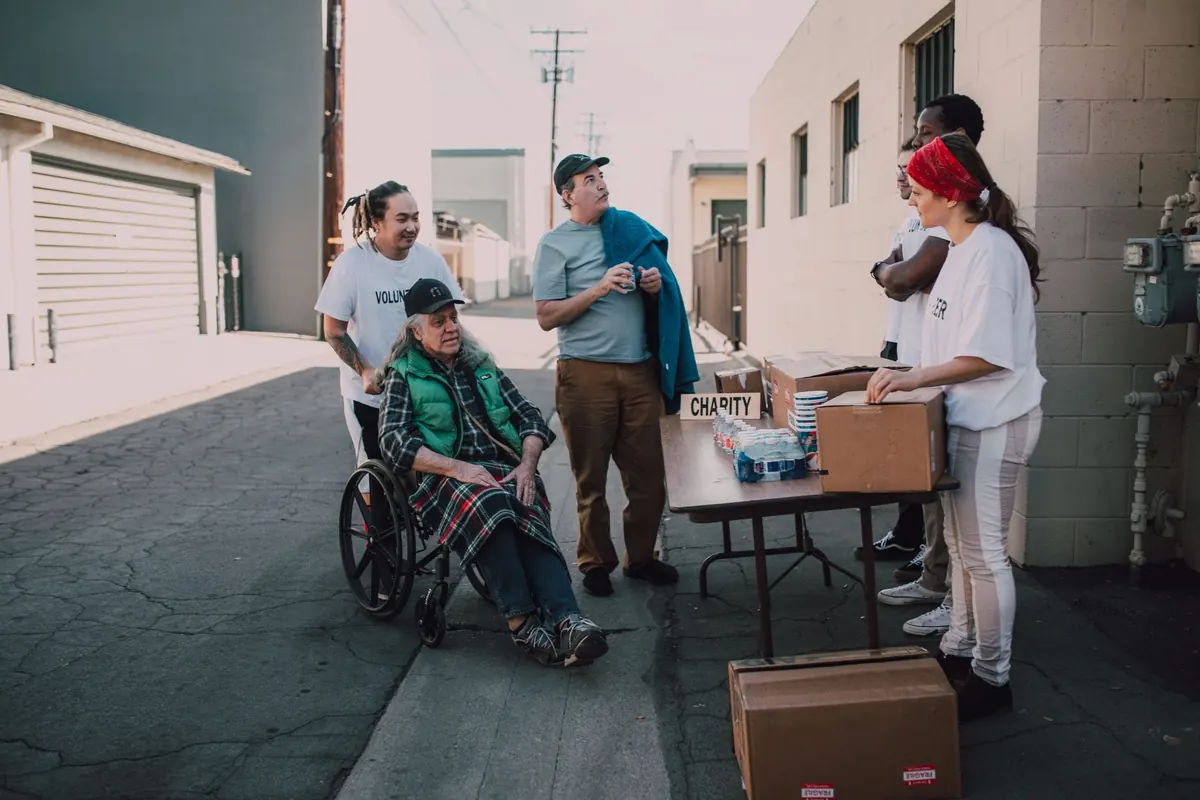
Good paper is genuinely accessible: large clear type, strong contrast, plain words, a phone number for anyone who would rather talk than click. If you use a QR code, print the address in full underneath it. Not everyone can scan, and a code alone shuts out more people than you'd think. Put one copy at eye level and one low enough to be read by someone in a wheelchair or by a child. If several languages are spoken nearby, print a few flyers in those too — a short line saying what it is and when.
Online has its own accessibility strengths. People who find it hard to leave the house can check the details of a venue before committing: step-free access, whether there's a quiet room, what the noise will be like. That information is hard to fit on a poster. But a listing that opens with three paragraphs of enthusiasm and buries the date at the bottom is less useful than a photocopy. Lead with what, when, where, cost, and who to contact. Everything else comes after.
Matching the Format to the Event
Regular, low-key gatherings
A weekly language café, a choir practice, a book club. The online listing does the long-term work because it stays put and stays accurate. Print one laminated flyer that never needs replacing, and spend your energy on the listing instead. If your details rarely change, paper's weakness — going stale — never shows up.
One-off events with a performance or a big draw
Use both. The flyer catches the walk-by traffic and gives the event a physical presence in the neighbourhood; the listing catches the planners and gives people something to share. Give the flyer a short web address so the paper points to the full details rather than trying to contain them all.
Small, local, invitation-flavoured things
A street clean-up, a residents' meeting, a bring-and-share lunch. Flyers through the doors of the actual street, plus a message in the group chat. Here the paper is partly proof that the thing is real and local, not a listing from a stranger.
Anything that might change
Online first, printing only once the details are locked. A correction scribbled on a poster in biro reads as disorganised; the same correction online reads as attentive.
Events that need a headcount
Online, with a phone number for the people who would rather call than fill in a form. Expect a portion of your RSVPs to be approximate, and plan accordingly.
Why the Two Together Usually Beat Either Alone
The strongest arrangement is simple and costs little extra: one canonical online listing where the definitive details live, and paper that points to it. The flyer doesn't need to be a teaser — put the essentials on it, because a poster with nothing but a QR code asks too much of a passer-by. But it should carry the address where the full picture sits.
Each format covers the other's blind spot. The flyer reaches the neighbour who never opens the group; the listing reaches the new arrival who doesn't yet know where the corkboard is. Between them, you've stopped guessing.
Before You Print or Post: A Practical Checklist
- Write the listing first, in full. What, when, where, cost, access, contact. If you can't make it clear in five lines, the flyer won't fix it.
- Decide your one canonical place for details, and point everything else at it.
- Ask six shopkeepers or building managers for permission before pinning anything up.
- Print a small batch. Twenty-five flyers in the right places beat two hundred in a drawer.
- Check every flyer for the date twice, out loud, with someone else looking.
- Put a plain-text address and a phone number on the flyer alongside any QR code.
- Post the listing once, then bump it with a genuine update — a photo from the last event, a note about what to bring — rather than repeating the same text.
- Afterwards, note which route brought people in. Ask at the door. Two events of that and you'll know where to spend your effort next time.
None of this needs a budget or a committee. A clear listing, twenty-five well-placed flyers, and a willingness to ask people how they heard about you will do more than either format alone — and you'll learn something about your neighbourhood in the process.
Photo: Aleksandar Pasaric / Pexels