October 23, 2026
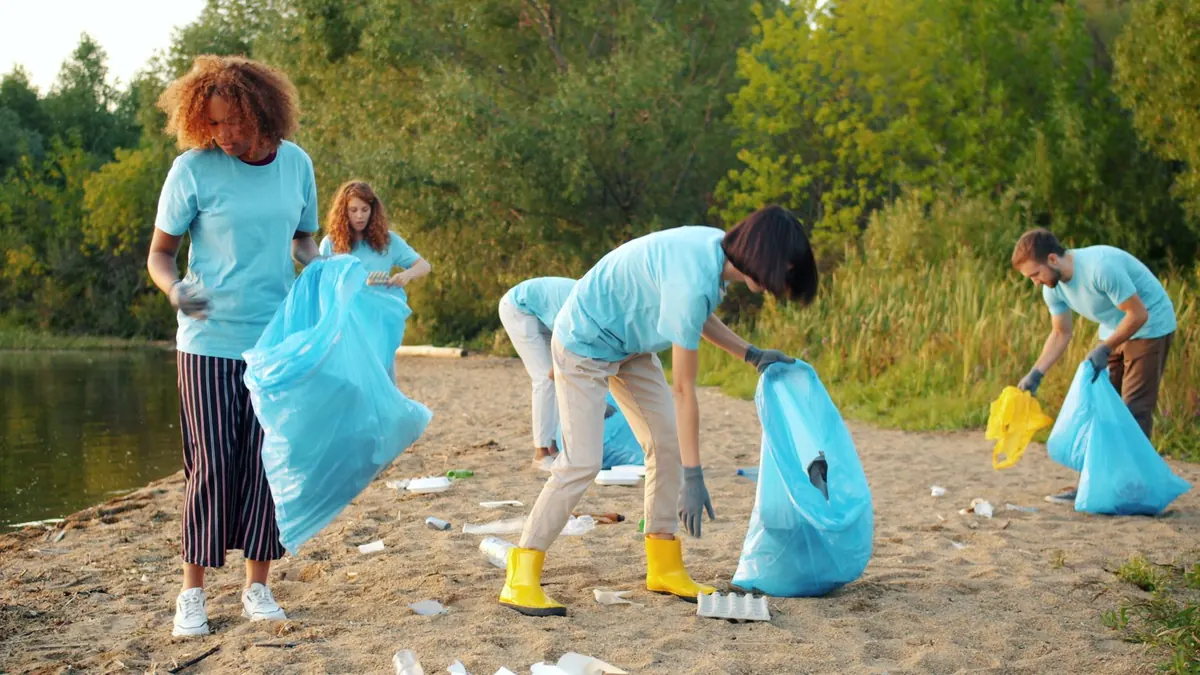
Every spring the same thing happens on the streets around here. The snow pulls back, the light changes, and suddenly you can see everything that winter buried: cigarette butts packed into the gutter, a shopping bag caught in the hedge, coffee cups that have been frozen into the flowerbed since November. Someone always says, "We should really do something about this." This year, be the person who does.
A cleanup is not complicated, but it falls apart quickly when nobody has thought about gloves, or where the bags go, or who is watching the kids near the crossing. What follows is the working checklist a small group of neighbors can use to run a safe, cheerful, genuinely useful morning — one that ends with full bags, intact volunteers, and a street that looks like it belongs to somebody.
Start with a small crew and one job each
You do not need a committee. Three or four people can plan a cleanup for forty. What you do need is for each of those planners to own exactly one thing, because shared responsibility on a volunteer project usually means nobody does it.
The roles that matter most:
- Coordinator — keeps the timeline, makes the final calls, holds the phone number for the municipal office.
- Supplies lead — gathers, buys, borrows, and transports everything on the list below.
- Route and safety lead — walks the area beforehand, marks problem spots, sets the meeting point and the rules.
- Communications lead — handles invitations, door notices, the group chat, and permissions.
If you have more hands, add a sorting lead who knows what the local waste collection actually accepts, and a snacks-and-water person. Both sound small. Both are the reason people come back next year.
The supply list that actually gets used
Overbuying is normal on a first cleanup. Underbuying is what ruins it. Aim for roughly one set of gloves and one pickup tool per volunteer, plus a generous margin of bags.
- Heavy-duty refuse bags in at least two colors, so sorting at the end is quick
- Thick work gloves, plus a few smaller pairs for teenagers
- Pickup tongs or grabbers — cheaper than backs, and they get into hedges
- Hi-vis vests for anyone working near a road
- Sturdy closed shoes, announced in advance as a requirement
- A first aid kit, water, and sunscreen
- Two or three wheelbarrows or a garden cart for heavy loads
- Rakes, brooms, and a shovel for silt in gutters and sand on pavements
- Boxes or rigid containers for glass, and a separate sealed container for sharps
- Zip ties, work tape, and a marker for labeling bag piles
- Printed map of the route, a sign-in sheet, and a phone with a full battery
Ask local shops for a donation of bags or water and they often say yes; a hardware store might lend rakes for the day. Keep the ask specific and give them a date and a number.
Walk the streets before anyone picks up a bag
Two weeks out, the route lead should walk the whole area with a notepad. Decide which streets you will cover and which you will honestly skip — a tidy half-mile beats a vague promise to do the entire neighborhood. Note the spots that need something more than hands: dumped furniture, a pile of construction debris, a mattress in the ditch.
Those are the items you photograph, measure roughly, and report to the municipal office in advance, asking how they want them handled. Rules differ from one town to the next on bulk pickup, on what can go in a public bin, and on whether volunteers may leave bags at the curb. Read your municipality's waste guidance and confirm the pickup arrangement in writing — a short email is enough — before you advertise the event.
While you are out walking, mark anything hazardous: broken glass in long grass, a discarded battery, syringes, anything that looks like it came from a building site. Those spots get flagged and handled by an adult, or better, left alone and reported. Nobody's cleanup should end in a tetanus shot.
A five-minute briefing prevents most problems
Gather everyone at the meeting point before you hand out supplies. Keep it short, but say these things out loud:
- Work in pairs, and children stay with an adult at all times.
- Do not enter private gardens, sheds, or parked cars, and do not climb banks or fences.
- Do not pick up needles, medical waste, unknown chemicals, or anything too heavy to lift comfortably — mark it, tell the coordinator, move on.
- Stay off the road; if a pavement is blocked, cross at a corner where you can see and be seen.
- Wear gloves the whole time, and no eating until hands are washed.
- Stop at the agreed time. Tired people make mistakes.
Set a finish time and a return point, and give the sorting lead ten minutes' warning before the end so the last bags get sorted rather than dumped. Choose a clear, dry day where you can, and have a rain date in mind — announcing one saves you a second round of messages.
Sort the haul before it leaves the street
The most common failure at the end of a cleanup is a mountain of mixed bags that no one can dispose of properly. Sorting takes fifteen minutes and saves an argument with the waste collection service.
Line up your containers at the finish point and have volunteers tip each bag into the right one: general waste, recyclables sorted by type as your municipality defines them, glass kept separate and boxed, green waste raked into its own pile. Batteries, aerosols, paint tins, and electronics go into a box for the household waste site. Bulky items stay where they are, photographed and reported, if that is what the local office asked for.
Weigh or count nothing unless someone enjoys it. But do photograph the pile — it is your best proof of work done and your best argument when you ask for support next year.
Communicate before, during, and after
Invitations should go out at least two weeks ahead through the channels people actually read: the neighborhood group chat, a flyer in the bakery window, a note under doors on the streets you will be working. Say what time, where to meet, what to wear, and whether children are welcome. Ask people to reply so you can estimate gloves and water.
Tell the households on the route that bags will be on the pavement for a few hours, so nobody reports them as fly-tipping. Let the local office know the date, and invite them — a council worker who sees the turnout remembers it the next time you need something.
On the day, one person stays at the meeting point with the first aid kit and the phone. They are the point of contact for late arrivals, for anyone who needs to leave early, and for the neighbor who comes out with a bag of rubbish and a story. That conversation is not an interruption. It is the reason the morning works.
After the bags are gone
Post a couple of before-and-after photos, name the people who showed up, and thank the shop that donated water. Then write down three things on a single sheet: how many volunteers came, what you ran out of, and which streets still need attention. Keep it in the same place as the map.
If the same corner is littered again by June, that is information, not failure — it usually means a missing bin or a gap in the collection schedule, and it is worth raising with the local office while the photographs are fresh. A cleanup is a good morning. The checklist is what turns it into a habit.
Photo: Vitaly Gariev / Pexels