October 08, 2026

The room is booked, the guest has confirmed, and the flyer looks better than you expected. Then comes the part that quietly decides how many chairs get used: the listing itself. On a community board, people give an event a few seconds of attention while standing in a queue or half-watching television. Whatever you wrote in those seconds is all they have to decide whether your evening is worth leaving the house for. So before you publish, walk through the checks below. None of them take long, and each one removes a reason for someone to stay home.
Start with the venue, not the idea
Most disappointing listings fail on geography. "Sala Comunale" is a name, not a location. If someone cannot picture the door they need to walk through, you have lost them. Give the street and number, then describe the entrance in plain words: the courtyard door beside the pharmacy, the second gate on the left, the blue door with the step.
Add what a stranger needs in the final five minutes: where to park, where to leave a bicycle, which bus stops nearby, and whether the door is easy to find after dark. If the building has several rooms, name yours and say which floor it is on. One sentence about where to go on arrival — "come up the stairs and turn right, someone will be at the desk" — is worth more than a paragraph of description.
Accessibility notes that actually help
Vague reassurance helps nobody. "Accessible" can mean a hundred different things, and someone with a mobility aid, a pushchair, or a hearing difficulty will read it as a warning rather than a promise. Be concrete, and be honest about what you do not yet know.
- Is there step-free access from the street, and is the doorway wide enough for a wheelchair?
- Is there a lift, and does it reach the room you are using?
- Where are the toilets, and are any of them accessible?
- Will there be fixed seating, or can chairs be moved?
- Is the space likely to be loud, crowded, or dimly lit?
- Who should someone contact if they need to ask about any of this?
If the answer to something is "no", say so and offer an alternative — a ground-floor room for a future date, a seat near the door, help carrying a pram up the steps. If you genuinely do not know, ask the venue before you publish rather than guessing. A single line saying "step-free entrance on Via Roma, lift to the first floor, accessible toilet next to the hall" tells people more than any badge or symbol.
Timing details people plan around
Two times matter and they are rarely the same: when the doors open and when the programme starts. Publish both. Add the finish time, even roughly, because people arrange babysitters, lifts and last buses around it.
Then answer the follow-up questions that always arrive. Can latecomers come in, or will the door be closed once the talk begins? Is there a break? Should volunteers arrive half an hour early? If the event repeats, spell out the dates rather than saying "every Thursday" and hoping. Write the day of the week next to the date; it sounds obvious, and it is still the detail people misread most often.
Contact information that reaches a human
A generic inbox nobody monitors is worse than no contact at all, because it invites questions that then go unanswered. Publish a name, a phone number that is actually answered, and an email that is checked daily during the week before the event. Add a line about how quickly you reply — "messages usually answered within a day" — so people know when to follow up.
Never publish someone else's number without asking them first, and decide in advance who handles what: tickets, access questions, lost property. If you are taking bookings, say when you will confirm them and what happens if the event fills up. A short waiting-list note is kinder than silence.
Write the listing so it answers the obvious questions
Keep the title short and specific. "Film evening" is forgettable; "Open-air film evening in the courtyard, Friday 12 June" tells someone everything in one glance. The first two lines of your description carry most of the weight, so put the date, the place and who the event is for right at the top, before the background story.
Then be clear about money and entry. If it is free, say free. If there is a suggested donation, say what it covers. If booking is required, explain exactly how to book. Mention what to bring — a cushion, a torch, warm clothes for an outdoor courtyard — and what will be provided. If the event is outdoors, give the wet-weather plan and where you would announce a change.
The ten-point pre-publish checklist
- Full address and entrance: street, number, door, floor, room.
- Getting there: parking, bikes, buses, and how it looks after dark.
- Access notes: steps, lift, toilets, seating, noise, lighting.
- Times: doors open, programme starts, expected finish.
- Dates: day of the week written out, plus any repeat dates.
- Contact: a named person, a phone that is answered, an email that is read.
- Cost and entry: free, donation, ticket, booking, waiting list.
- Practicalities: what to bring, age suitability, whether food or drink is available.
- Wet-weather or change plan: where you will announce it and when.
- A read-through out loud: check the spelling of names, the date, and the house number.
Promotion before and after you publish
Once the listing is live, share it while the details are fresh: the venue, any partner groups, the people who came last time. Ask the venue to mention it in their own channels and to put a poster near the door, using exactly the same wording as the listing so nobody wonders whether they are two different events. A short reminder two days before and a brief one on the morning of the event does more than a burst of posts a month early.
If you are posting in neighbourhood message groups, ask the admins first and keep it to one message. And when something changes — a different room, a later start, a guest who cannot come — update the listing before you update anything else, then point to it in your message so people can check for themselves.
Publish, then keep the listing honest
After you hit publish, open the listing as a stranger would: on a phone, without scrolling past the first screen. Read the date, the address and the contact line twice. Fix anything that reads ambiguously, and keep the page updated until the last guest leaves.
Answer questions promptly, note who actually turned up against who said they would, and write down the small frictions — the queue at the door, the confusing entrance, the missing sign — while they are still fresh. Next time, those notes become the first lines of your checklist, and the listing gets easier while the room gets fuller.
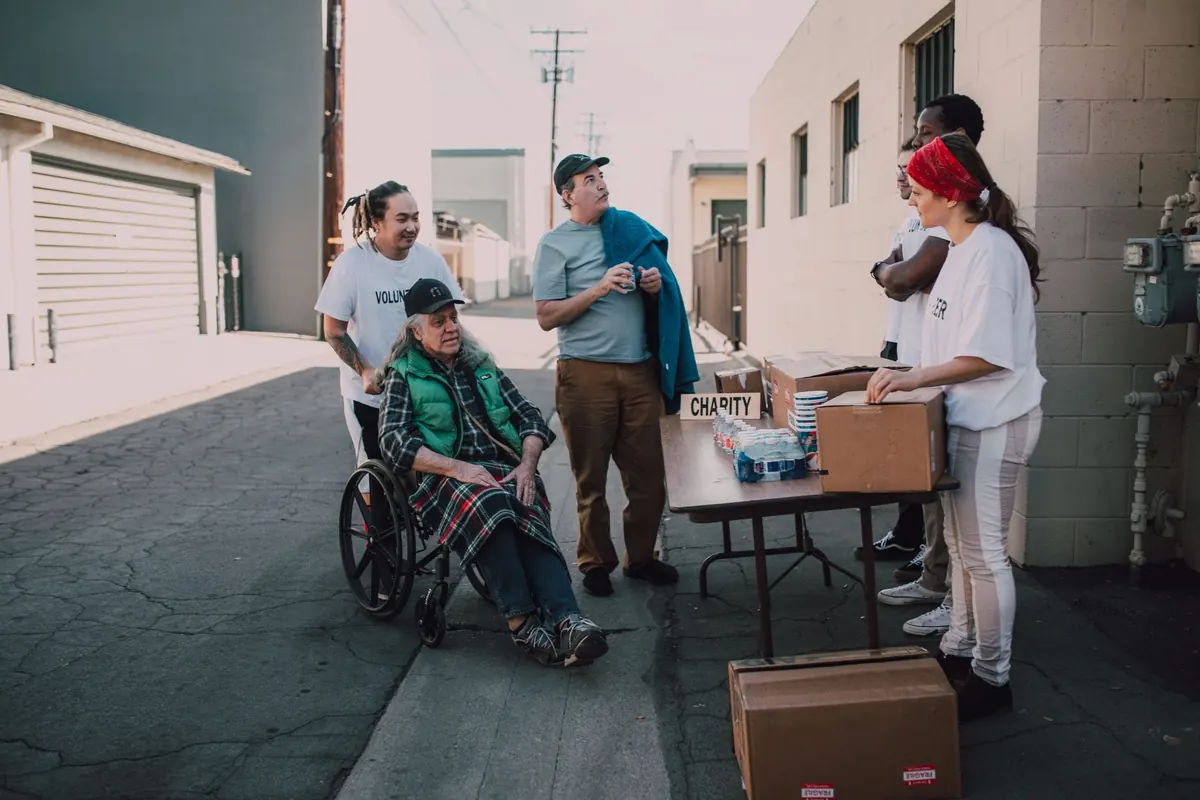
Photo: StartupStockPhotos / Pixabay